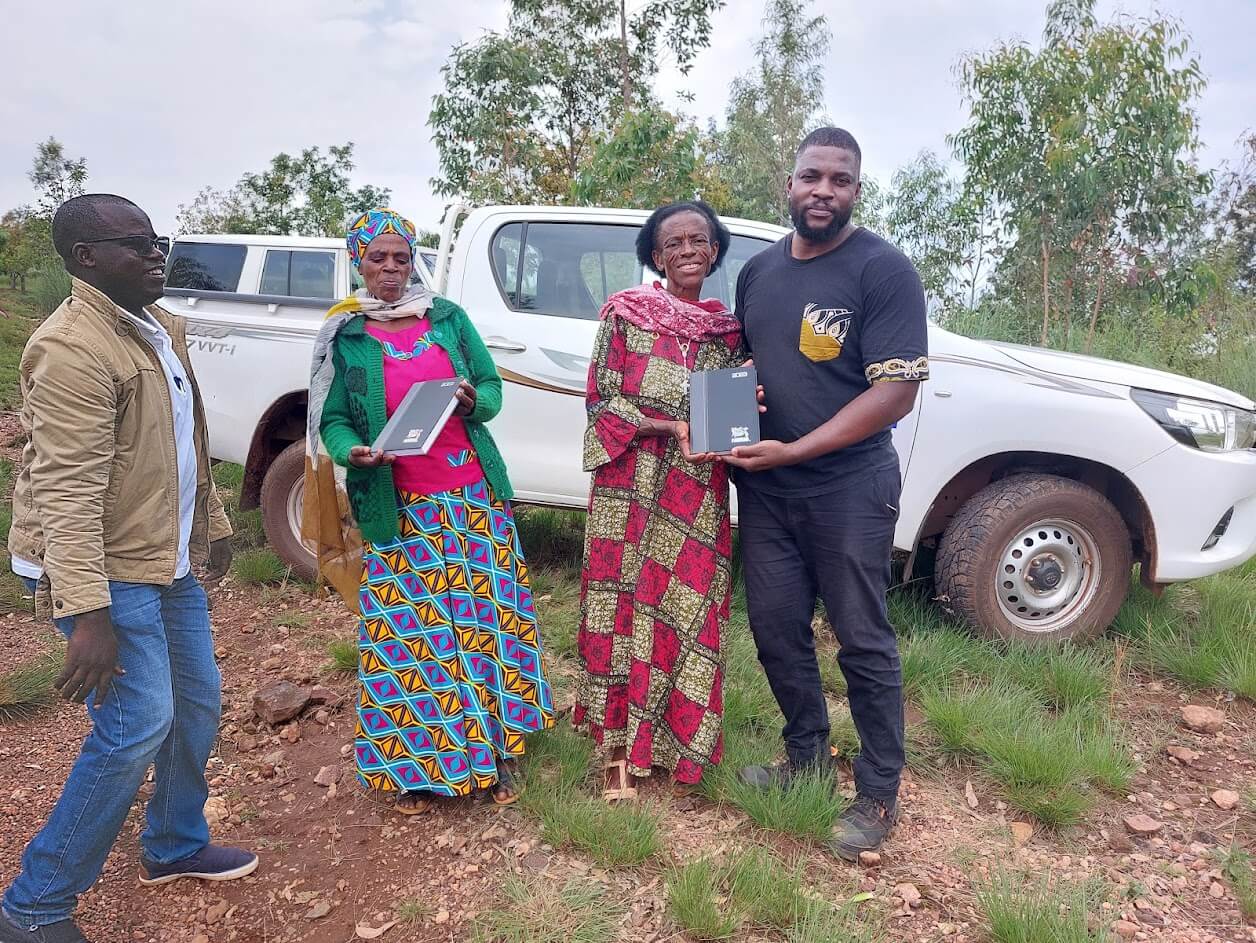
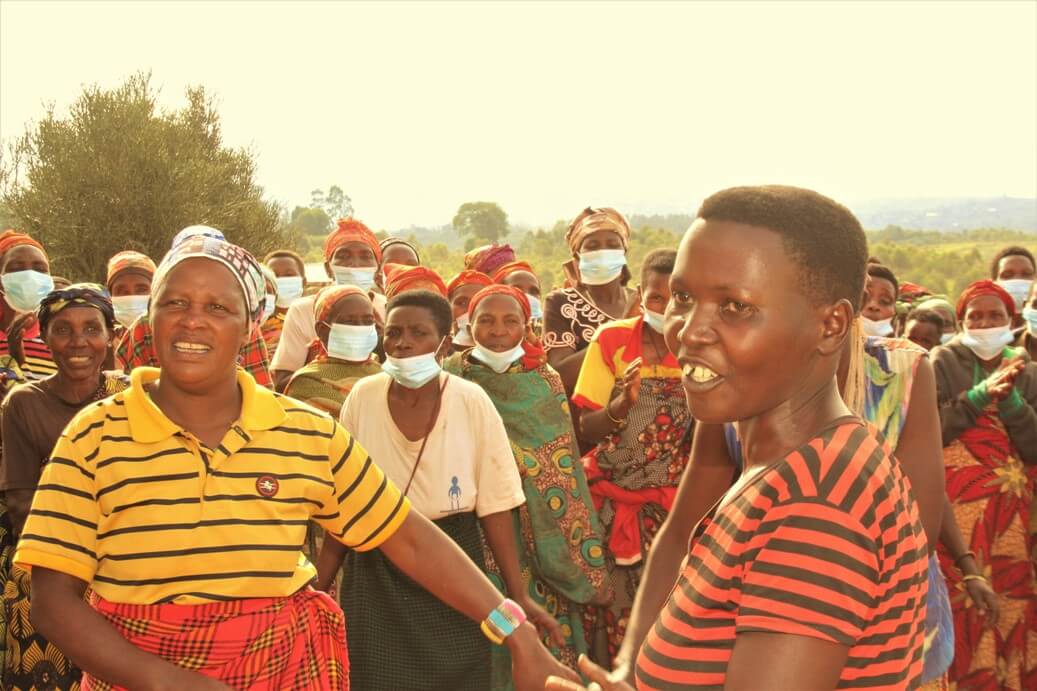
In Burundi, women in rural communities have difficulties accessing land and credit. By forming associations, they become more empowered and can access collective or individual funding more easily. Our USAID-funded Tuyage project in Burundi (name for the Kirundi word meaning “let’s talk”) was designed to address gender equality by supporting female coffee farmers in Burundi.
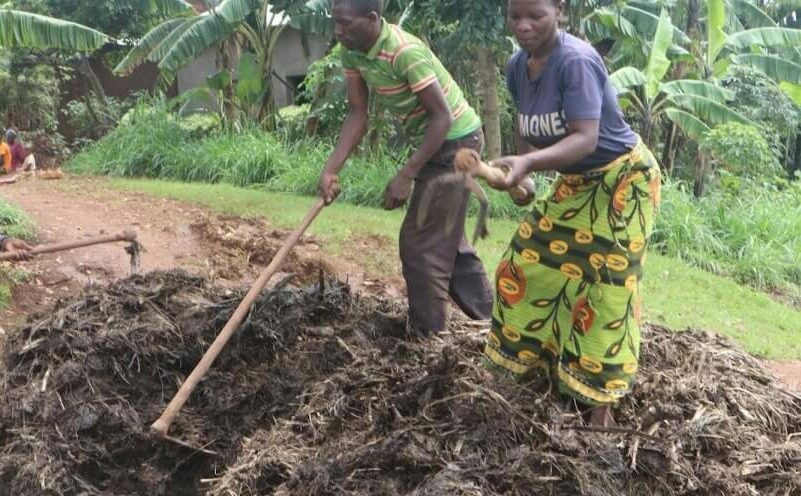
The cooperative also grows over 10,000 pineapples on half a hectare rented thanks to the revenue from selling home-made soap and from their coffee farming income. This activity generates an average income of 24,000-40,000 RWF (~US$24-40) from pineapple sales alone. Kahawatu supported this activity by donating 8MT of composite manure to fertilize the group’s pineapple plot in March 2022.
They formed a Village Savings and Loan Association (VSLA) composed of the 21 members of the Ituze group, along with 8 other women from the community. Each member saves US$0.20 weekly and after the first saving cycle, the group had a total of savings worth just over US$1,000, which was distributed to members according to their savings. This allowed members to pay for medical insurance, rehabilitate their houses, buy scholastic materials, and buy livestock, such as goats and hens. They started the second saving cycle in September 2022 and so far, they have saved US$77.20 (77,200 RWF) and have an outstanding loan worth US$253.50 (253,500 RWF) at 5% interest with a pay-back policy of 3 months.
Stories of change
Amplifying voices from coffee communities.
Improve wellbeing , Professionalize farmers
Case study: Frederick’s story
Burundi
June 22, 2023
“In the 1990s and 2000s, the cultivation of coffee in our area was almost abandoned, but I did not stop
Build confidence , Professionalize farmers
Case study: Denyse’s story
Rwanda
June 22, 2023
“Denyse completed secondary school but couldn’t afford to go to university so she started helping her parents in the farm.”
Build confidence , Improve wellbeing
Case study: The role of women’s associations
Burundi
June 22, 2023
“In the 1990s and 2000s, the cultivation of coffee in our area was almost abandoned, but I did not stop